
I actually had this thought first of all in German: “Verachtung ist depremierend” — and the nuances of “respect” are actually somewhat different from those of “Verachtung”. Kluge’s etymological dictionary informs me that the “ver-” in “Verachtung” means the opposite (rather than the negation), and “Achtung” also does not focus (haha, pun intended 😉 ) on the superficial appearance or visage (the way “respect”, or analagously “aspect” do). So “Verachtung” is not really merely lacking “Achtung” (in the sense of ignorance), it is an active practice of looking past (rather then overlooking) the devalued, the more lowly than common, the dirty, downtrodden, the scrapings from the soles of shoes. Being considered this way is downright depressing for any soul, for any kind of person experiencing such negatively charged prejudice.
This phenomenon is nothing to sneeze at.
Oddly enough, that very last sentence is what I want to focus on most of all (here and now). I may come back to the previous paragraph at some later date to investigate whether and to what degree the depressing effect of disrepect is at least partially to blame on a narcissistic attitude of deserving respect (maybe “undue” respect?) in the first place, but today I want to primarily consider where “sneezing” (and “sneezing at something”) comes from — not the concept, but rather the natural phenomenon.
This is the heart of the issue: is sneezing a natural phenomenon or a learned behavior? It obviously negatively effects the environment, and thereby I guess it could be considered “*not sustainable*” (beyond being merely disrespectful). If sneezing is in fact a force of nature, then why would nature design itself to be sort of self-destructive this way? I think that normally we consider “natural” to mean *healthy*, *growth*-oriented, *living*, *life-sustaining, … yet is nature itself in fact “non-sustainable*”?
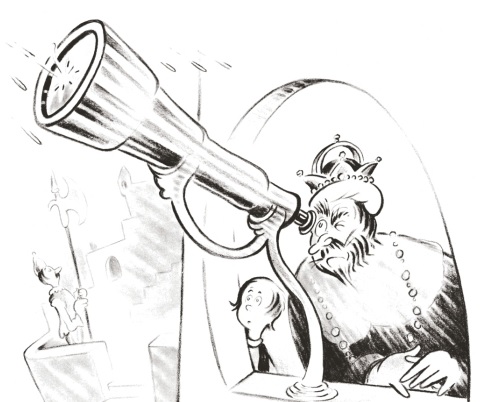
I don’t know. I am curious, but also completely clueless. What about you?

 Socio Business blog